Luxury resale is no longer a side market. Industry forecasts show second-hand luxury growing two to three times faster than firsthand fashion, and clients increasingly mix new purchases with pre-owned pieces. For premium brands, the strategic question is not whether resale exists — it is who controls the story of authenticity, condition, and value.
Certified pre-owned fashion, when led by the maison, signals durability and confidence. When left entirely to third-party platforms, the same product can look discounted, poorly photographed, and detached from the brand's codes. Brand equity is decided in that gap.
- Which iconic pieces should enter a brand-controlled resale programme first?
- Who authenticates, repairs, and photographs product — the house, or an open marketplace?
- Does resale language support full-price desirability, or train customers to wait?
- How does certified pre-owned connect to repair, care, and clienteling?
Younger clients often meet a luxury brand on a resale platform before they ever enter a boutique. That first impression is now part of brand strategy, not a leakage problem to ignore.
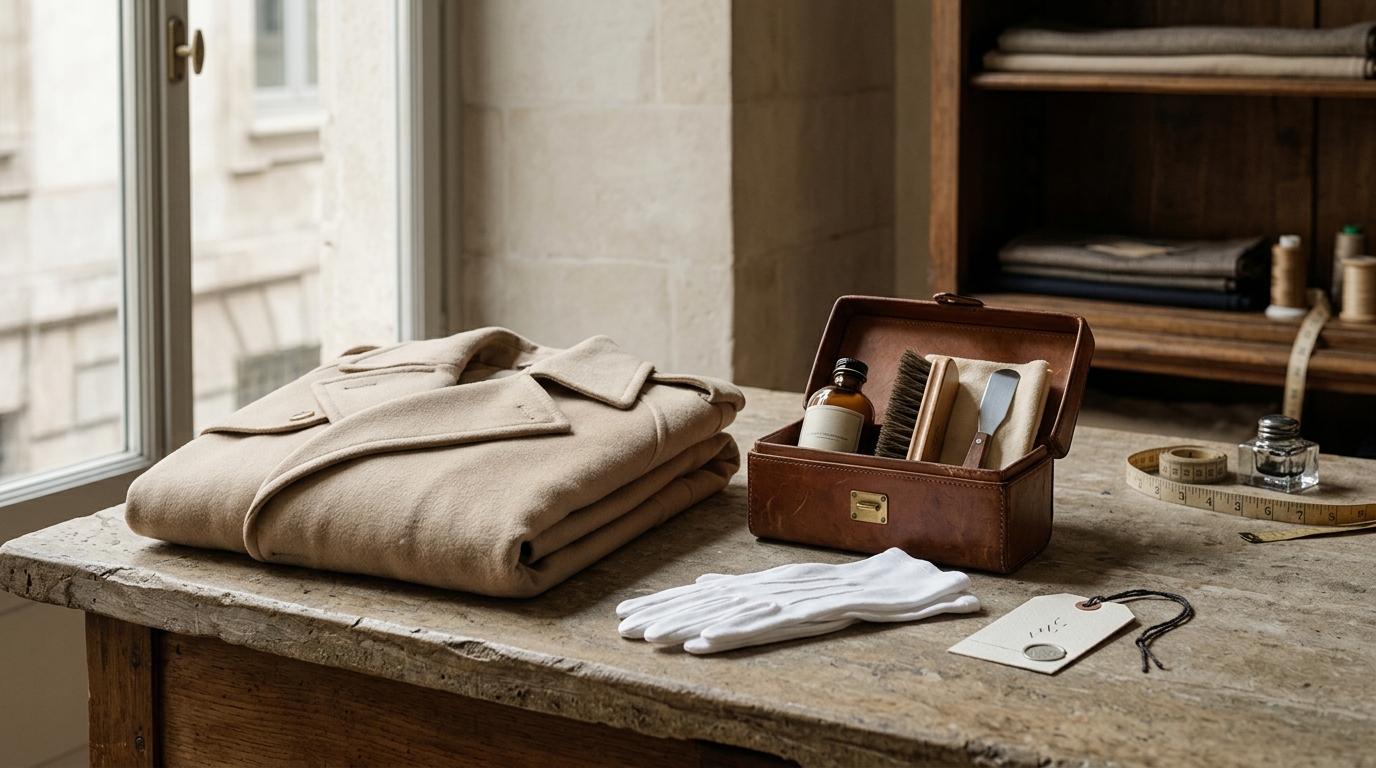
A luxury resale strategy starts with curation, not volume. Focus on timeless, high-recognition products where authenticity and condition can be guaranteed. Breadth without control turns circular fashion into a clearance channel.
- Define eligibility: icons, limited editions, and categories where craft justifies a second life.
- Build authentication, repair, and refurbishment standards the brand can stand behind publicly.
- Photograph and describe pre-owned product with the same art direction as new commerce.
- Price with discipline so resale reinforces value retention instead of undercutting the current collection.
- Decide the operating model: owned programme, selective platform partnership, or a staged mix of both.
Service is the differentiator. Clients choosing certified pre-owned expect the same tone, packaging logic, and aftercare confidence as a new purchase. If the experience feels secondary, the brand has only rented its name to a marketplace.
- Frame circular luxury as proof of longevity, not as a sustainability slogan.
- Train client advisors to introduce resale as access to enduring pieces, not as a discount path.
- Keep visual identity, naming, and metadata consistent so search and AI systems recognise the official programme.
Regional behaviour differs. In the US and China, many shoppers use resale to explore aspirational brands before a first full-price purchase. In Europe, value and uniqueness often lead. A Milan or Paris house expanding globally cannot copy one resale script everywhere — but the brand codes must stay identical.
- Localise logistics, duties, and service promises without changing authentication standards.
- Use resale data to see which products hold value — that is product and pricing intelligence, not only a new revenue line.
- Protect hero silhouettes from uncontrolled discounting on open platforms where possible.
- Connect trade-in, repair, and certified pre-owned so the lifecycle feels designed, not improvised.
Partnerships with established resale platforms can accelerate reach, especially for acquisition. They work when the brand sets rules for imagery, condition grades, and which products are eligible. Without those rules, the platform's aesthetic becomes the brand's public face.
The commercial test is simple: after a client sees a pre-owned piece, do they want the brand more — or less? Certified programmes that emphasise craft, rarity, and care tend to lift desire for the new collection. Uncontrolled listings do the opposite.
- Measure resale by value retention and new-client acquisition, not only by units sold.
- Publish clear condition language so trust does not depend on marketplace jargon.
- Treat circularity as part of brand architecture, with its own role beside the main line.
In 2026, luxury resale strategy is a brand-control decision. Houses that curate certified pre-owned keep authorship of authenticity and price. Houses that ignore the channel let someone else write that chapter.
Defining a certified pre-owned programme that still feels like your house? Aleari helps fashion brands align resale, visual identity, and pricing narrative with long-term equity.