In luxury fashion, the story is the product. The garment, the watch, the shoe — these are physical manifestations of a narrative that consumers buy into long before they walk into a store. Art direction is the craft that translates that narrative into images, sequences, and atmosphere that feel unmistakably right.
- What emotional register does this brand occupy: quiet authority, rebellious confidence, romantic escapism?
- What visual proof confirms that register across every touchpoint — campaign, editorial, in-store, digital?
- What does restraint look like for this house, and where does drama serve the story?
Art direction at its best is invisible to the consumer but deeply felt. They do not notice the lighting ratios or the casting logic. They feel trust, desire, or recognition — and those feelings accumulate into brand equity.
- Define the emotional promise before any moodboard is opened: one sentence, not a visual reference.
- Cast for character, not for trend: faces and bodies that embody the brand's world rather than the season's look.
- Control the background as carefully as the product: negative space, surface, and light all speak.
- Build a shot list that serves the story in hierarchy — hero image first, then supporting assets.
The most coherent luxury campaigns read as a single statement regardless of format. A billboard cropped from the same shoot as an Instagram story and a lookbook spread should feel like pages from the same book, not three different publications.
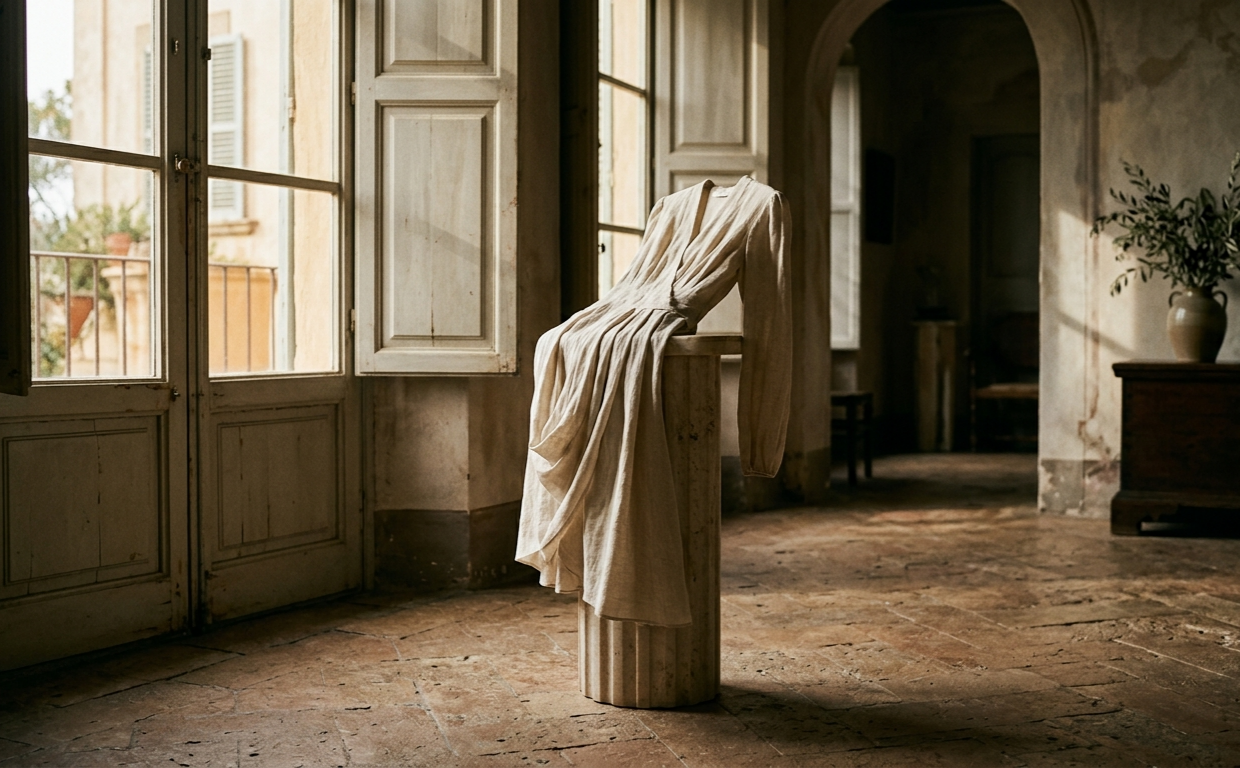
Narrative consistency is what separates a campaign that endures from one that reads well for a week. Luxury consumers build a relationship with a house over years — they notice when the tone shifts, even when they cannot articulate why.
- Establish a recurring visual signature: a location type, a casting sensibility, a colour temperature, a pacing.
- Avoid switching visual personalities between seasons to chase trends — evolution is fine, rupture is expensive.
- Reference your own archive, not competitors: your history is a competitive advantage no other brand possesses.
When a brand enters new markets — Greater China, the Middle East, Southeast Asia — the narrative must travel intact. The emotional promise stays constant; the cultural translation is in casting, setting, and symbolic detail. Never compromise the brand's visual voice to fit local clichés.
- Brief local production partners on the brand's visual grammar before creative development begins.
- Adapt supporting context without adapting the brand's core attitude or visual hierarchy.
- Test final assets with the global brand team before market delivery to catch unintended tonal drift.
The relationship between art director and photographer in luxury fashion is one of the most consequential creative partnerships in the industry. When it works, the result is a body of work that defines a decade. When it breaks down, campaigns become expensive, inconsistent, and forgettable.
- Share the emotional brief, not just the shot list: give photographers the why before the what.
- Agree on references that describe atmosphere and feeling, not images to replicate.
- Allow space for the photographer's vision to elevate the concept beyond the original brief.
- Maintain directorial responsibility on set: the art director's role is to hold the brand's point of view throughout.
Post-production is a second round of art direction. Retouching, colour grading, and final crop selection can reinforce the emotional promise or quietly undermine it. Decisions made in this phase should be governed by the same brief as the shoot itself — not by what looks technically impressive in isolation.
Measuring the effect of art direction on consumer perception requires patience. Short-term campaign metrics — engagement rates, click-throughs — rarely capture the long-term equity built by a coherent visual identity. The real test is brand recognition and price positioning over a five-year horizon.
- Track how quickly consumers correctly identify the brand without a logo from campaign imagery.
- Monitor the language customers use to describe the brand unprompted — this reflects absorbed narrative.
- Compare wholesale sell-in conversion before and after narrative coherence is established.
Luxury brand storytelling is a long-form discipline. Each campaign is one chapter in a story that takes years to earn and moments to lose. Art direction is the craft that keeps the story consistent, credible, and compelling — not just today, but across every season that follows.
The brands that endure are the ones with the clarity to say: this is who we are, this is how we look, and this is the feeling we offer. Everything else — trend, format, channel — is secondary to that singular, well-directed truth.