Luxury pricing is under scrutiny. After several seasons of steep increases, many clients no longer assume a higher price means better product, service, or cultural relevance. Analysts describe 2026 as a recalibration: growth now depends on restoring belief, not on another across-the-board rise.
Value perception is the gap between what a brand charges and what the customer can see, touch, and explain. When that gap widens — thinner materials, unchanged design, weaker retail service — even loyal clients delay, trade down, or move to resale. Price integrity only holds when the proof is visible.
- Can a client name three reasons this product costs what it costs, without hearing 'brand tax'?
- Did the last price move come with a visible change in craft, fit, service, or exclusivity?
- Do entry products and hero products tell one coherent price architecture?
- Does communication justify desire, or only announce a new number?
For European fashion houses, this is also a wholesale issue. Buyers push back when sell-in stories no longer match what consumers will pay at full price. Pricing strategy and brand narrative have to move together.
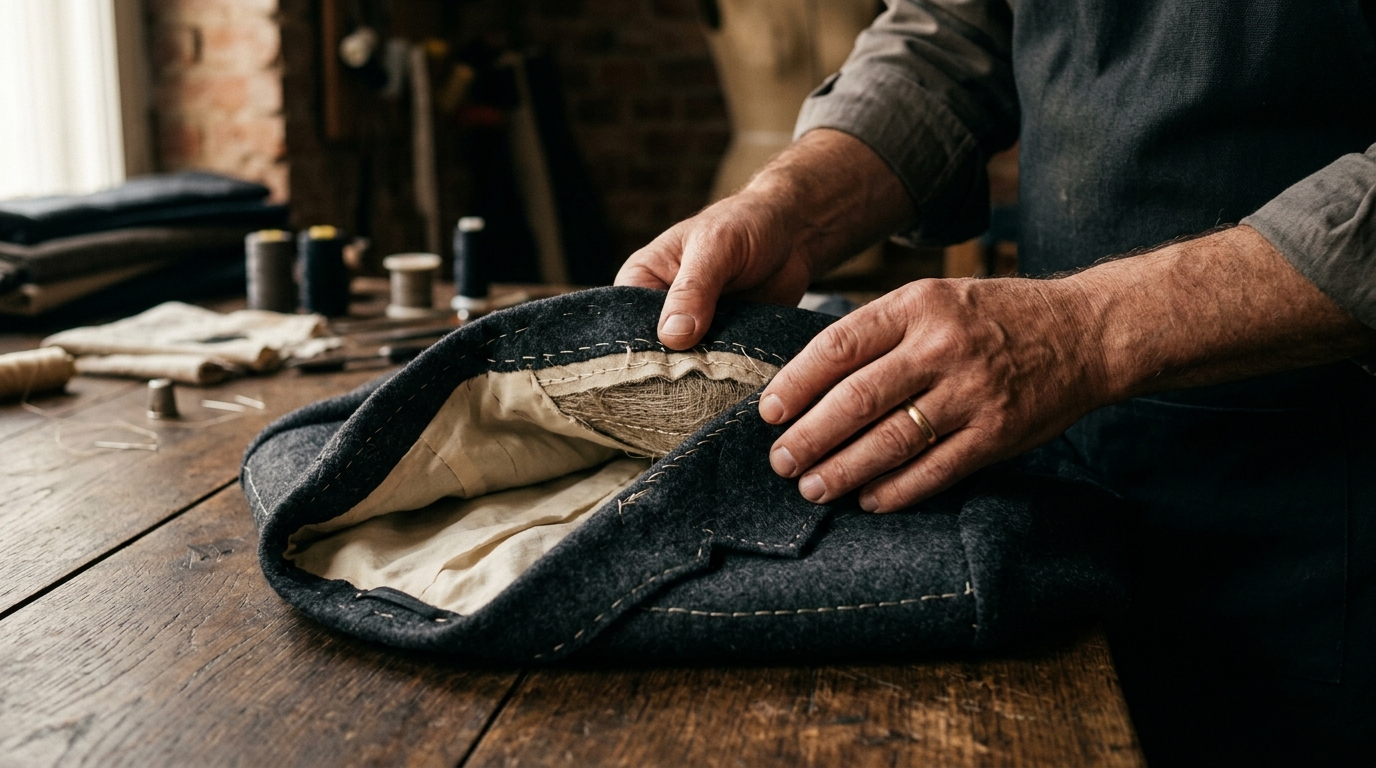
Rebuilding luxury value perception starts with an honest audit of the offer, not a campaign about 'worth'. Map each price tier against material, construction, service, and scarcity. Where the story is thin, either improve the product or stop defending the price.
- Separate icons that can carry premium pricing from categories that have been inflated without new proof.
- Show craft in photography, retail, and copy — close detail, process, and fit — instead of abstract luxury language.
- Align clienteling and aftercare with the price: service is part of what the client bought.
- Use selective price corrections or held prices where trust has broken, rather than uniform increases.
- Protect full-price windows; constant promotion teaches the market that the ticket price is fictional.
Quiet luxury codes help only when they are backed by substance. Restraint in communication cannot hide a product that does not feel considered. Clients in 2026 compare notes across boutique, e-commerce, and resale within minutes.
- Train teams to explain price through materials and decisions, not through status slogans.
- Keep entry pieces excellent enough to recruit, without turning them into a disguised diffusion line.
- Review regional price gaps so travel retail and grey market do not set the public price.
Pricing architecture should be as clear as brand architecture. Clients and buyers need to understand why a coat, a bag, and a collaboration sit where they sit. Confusion reads as opportunism, and opportunism is what eroded trust after the last wave of increases.
- Publish internal rules for when a price can move: cost, craft upgrade, scarcity, or correction.
- Test new prices against resale value retention — products that collapse on the secondary market are over-claimed.
- Coordinate markdown policy with brand positioning so outlets do not become the real flagship.
- Brief agencies so campaigns never imply a quality the product cannot deliver at that price.
Independent labels have an opening here. They cannot outspend large groups on media, but they can make price feel precise: limited depth, visible making, and a point of view that does not change every time the market wobbles.
The practical question for any 2026 collection is whether a thoughtful client would feel respected by the price. Respect is not low price. It is proportion — between what is asked and what is given in product, experience, and honesty.
- Measure success by full-price sell-through and repeat purchase, not by average price alone.
- Rebuild desire with fewer, clearer products rather than more SKUs at higher tickets.
- Treat pricing as a brand system reviewed each season with design, finance, and retail together.
Luxury brand pricing strategy in 2026 is a trust strategy. The houses that recalibrate — with proof, restraint, and coherent architecture — will keep the right to charge. The ones that only raise the number will keep losing belief.
Need to realign price, product, and brand story so premium still feels earned? Aleari helps fashion labels clarify positioning, value narrative, and the proof customers can actually see.